Siding Solutions in Sacramento
Local siding contractor serving Sacramento and the surrounding areas. We install, replace, and repair fiber cement, board and batten, T1-11, vinyl, and stucco — done right the first time, with proper waterproofing and trim work that actually lasts in Northern California's climate.
Or call us directly: (916) 404-4780
- ✓James Hardie certified fiber cement installation
- ✓Full house wrap and moisture barrier on every job
- ✓Pre-installation rot inspection — no covering up problems
- ✓Color-matching, custom trim, and finish work included
- ✓Stucco repair and re-stucco available
- ✓One crew, no subcontracted installs
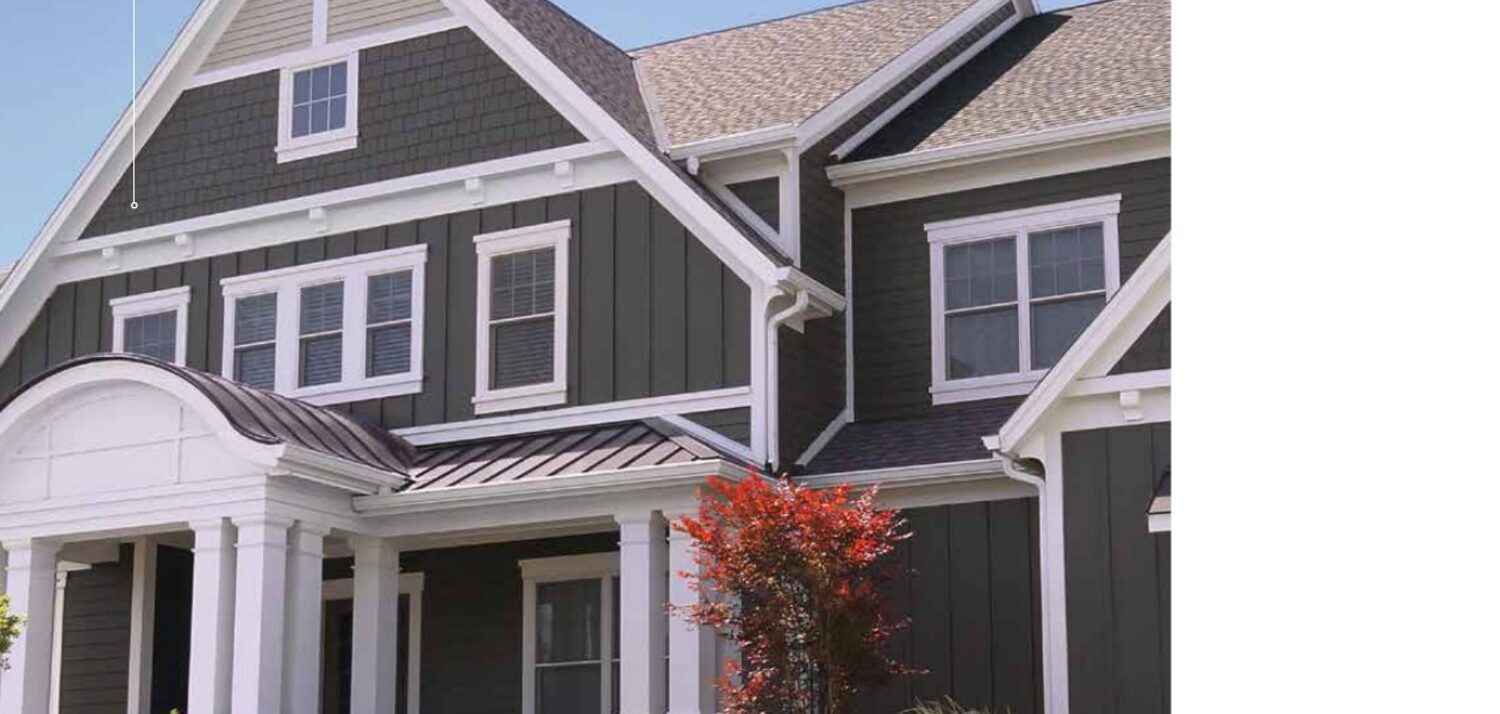
Siding Installation Sacramento CA
Exterior Cladding That Holds Up to Sacramento
Siding is the part of your house that takes the most direct hit from weather, sun, and time. Sacramento's combination of heat, UV, occasional storms, and seasonal humidity is harder on exterior cladding than people realize. Done well, siding protects the structure underneath for decades. Done poorly, it traps moisture, rots out from behind, and fails years before it should.
We install fiber cement, board and batten, T1-11, vinyl, and stucco across the greater Sacramento region. Every project starts with a real look at what's there — substrate, flashing, existing moisture issues — before we quote anything. Every install includes proper house wrap and moisture barrier as a standard step, not an upcharge.
If you're looking for a siding contractor near you in Sacramento, Fair Oaks, Folsom, Roseville, Granite Bay, El Dorado Hills, or anywhere in between, we're happy to come take a look. We also coordinate with our kitchen, bathroom, and custom cabinetry teams when siding is part of a larger remodel — one company, one schedule, one point of contact.
- ✓Substrate inspection before any new siding goes up
- ✓Code-compliant house wrap and moisture barrier installation
- ✓Flashing at every penetration — pipes, wires, light fixtures
- ✓Manufacturer-spec fasteners and nail schedules (Hardie, etc.)
- ✓Caulking from the approved product list — not whatever's on the truck
- ✓Daily site cleanup — old siding and packaging leave when we leave
Style Possibilities
What Fiber Cement Actually Looks Like
James Hardie products give you a wide range of looks — modern, transitional, craftsman, farmhouse, classic. Here's a quick visual reference for what's possible when you mix profiles, colors, and trim details. Every photo below shows real James Hardie material — the same products we install on Sacramento homes.
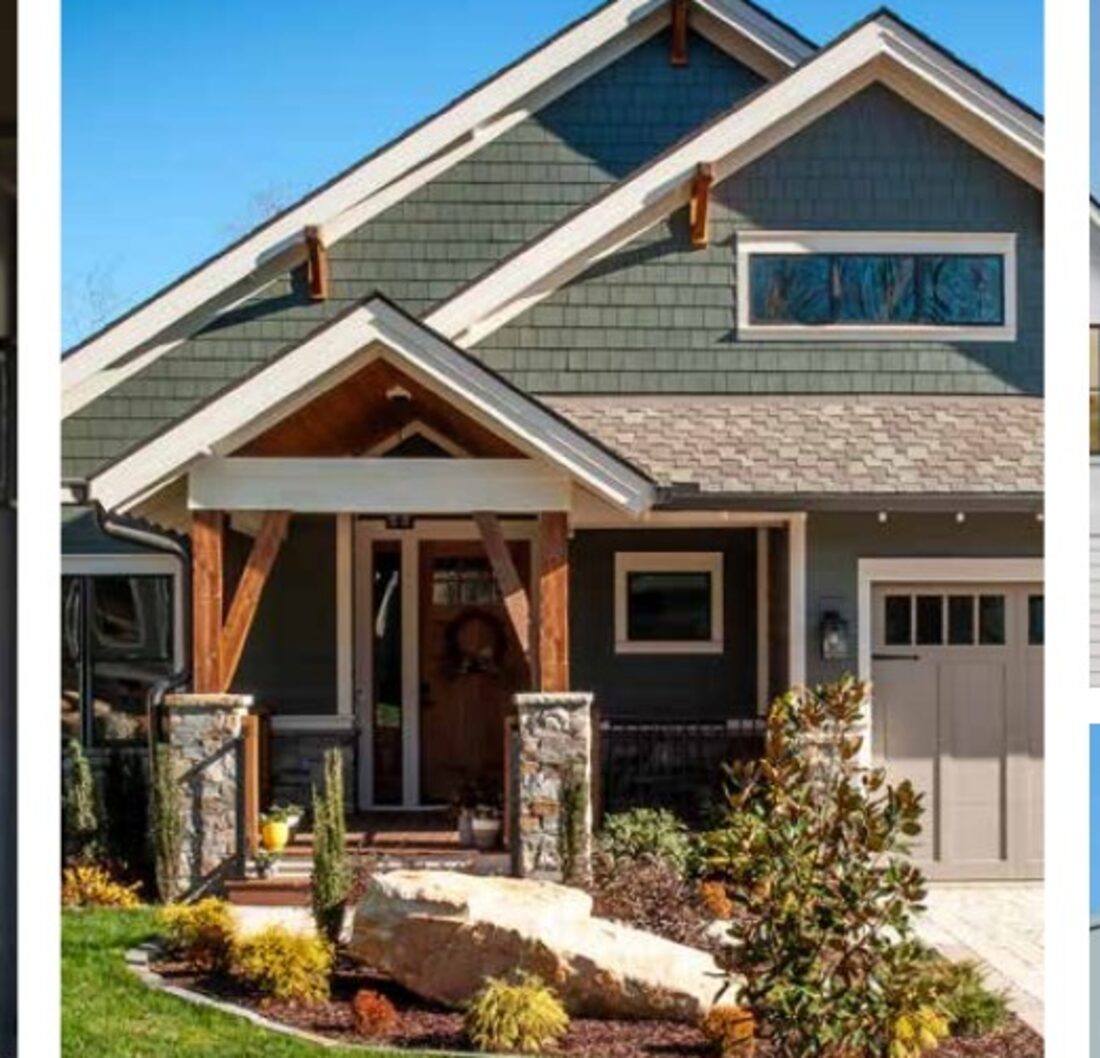
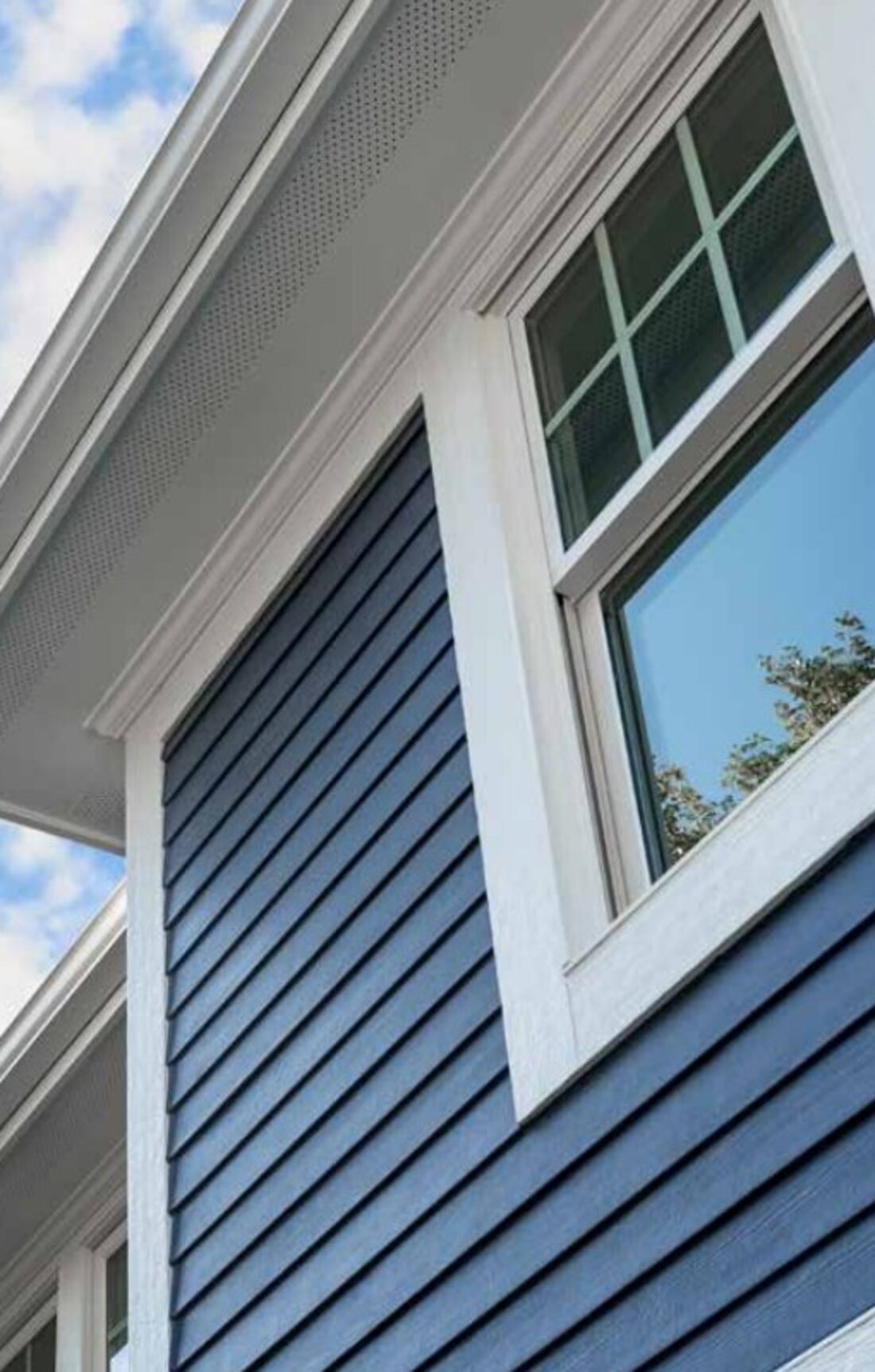
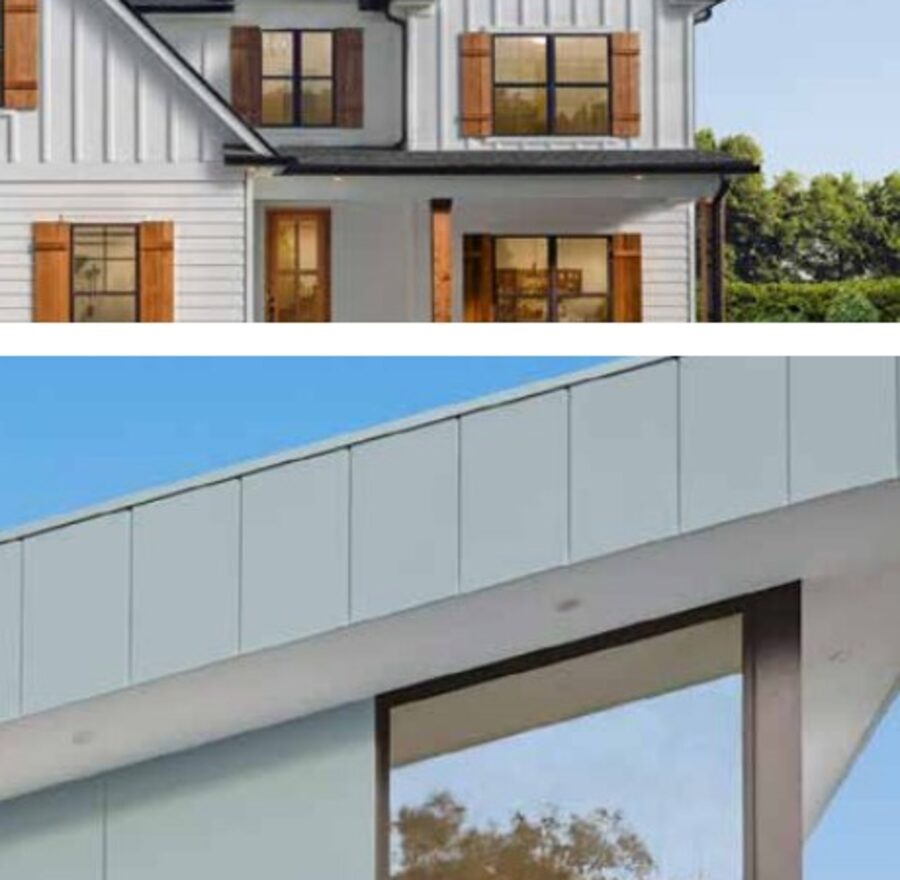
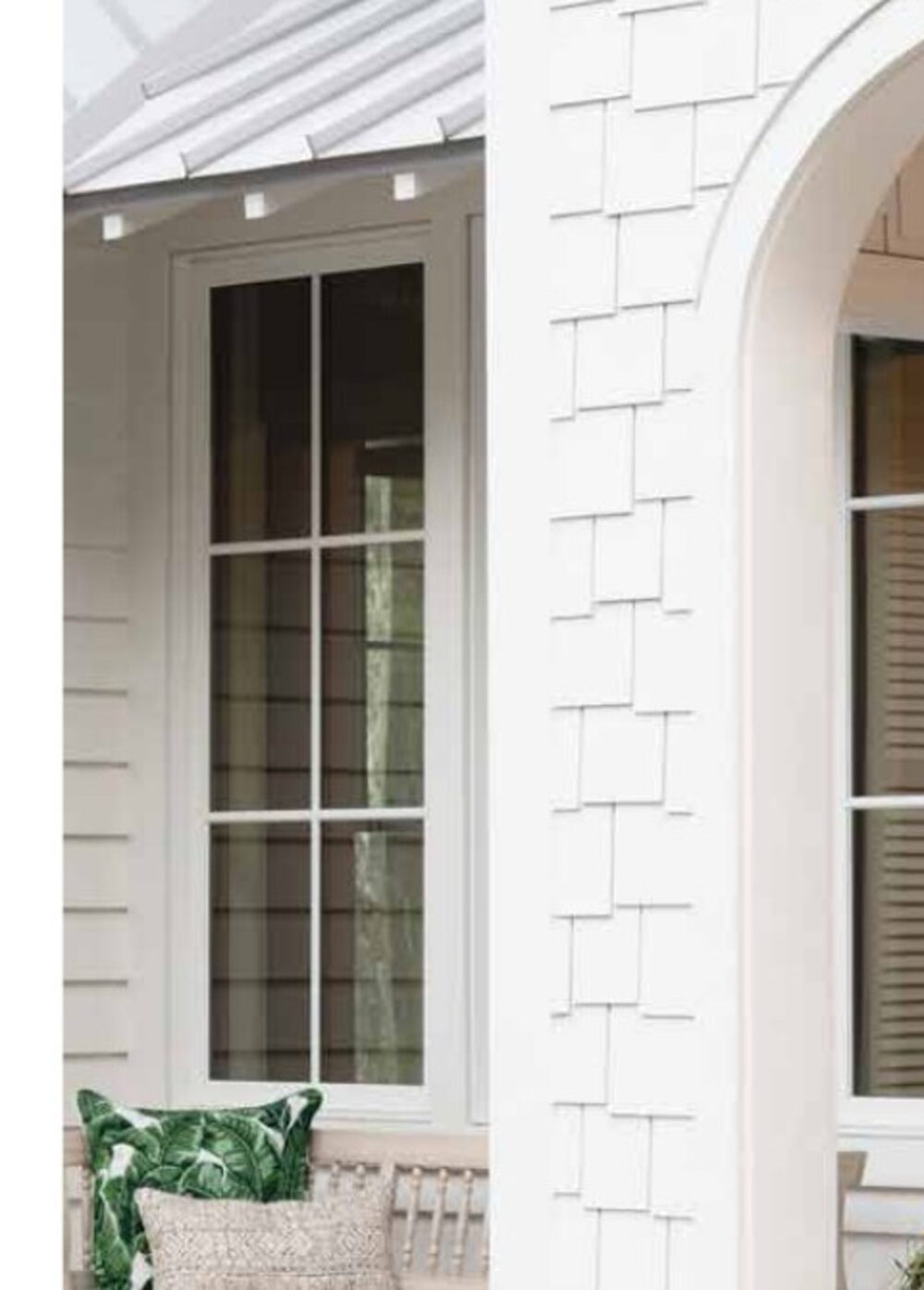
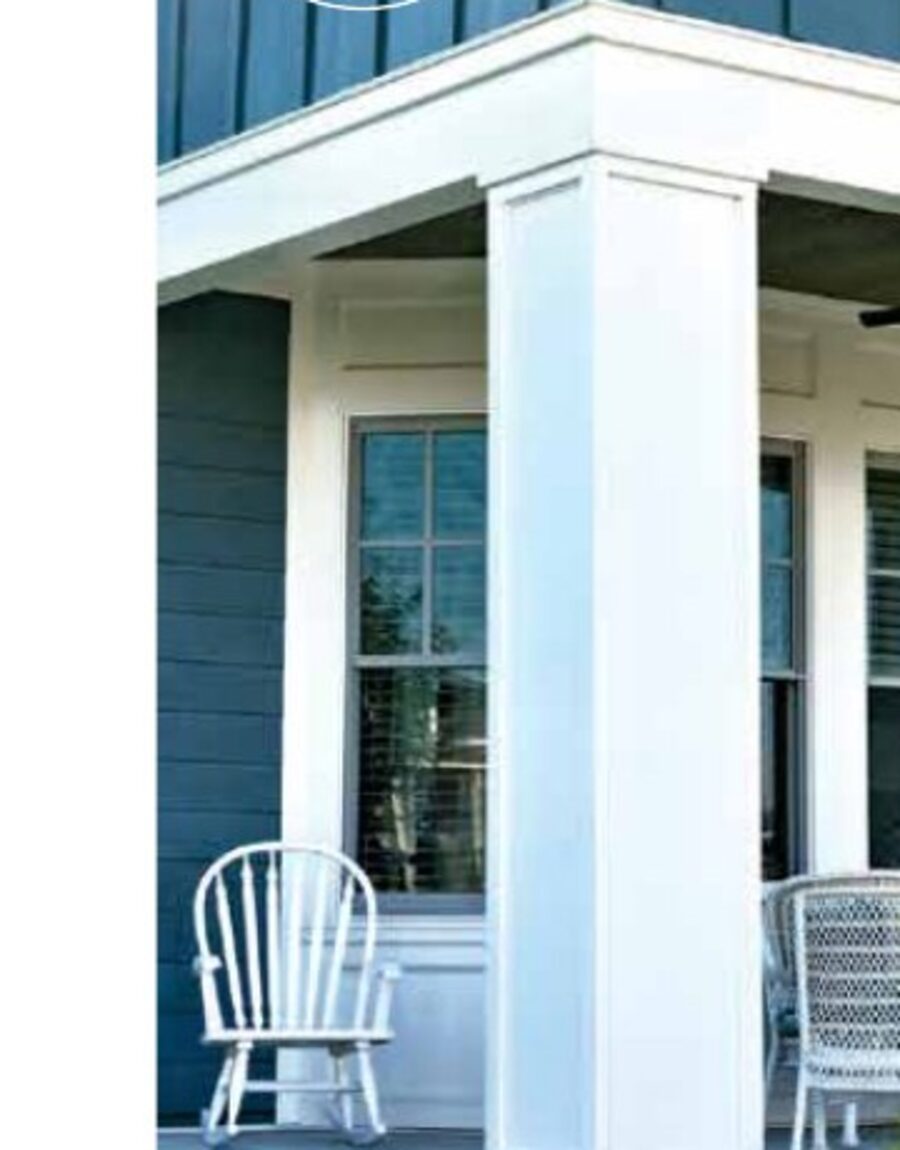
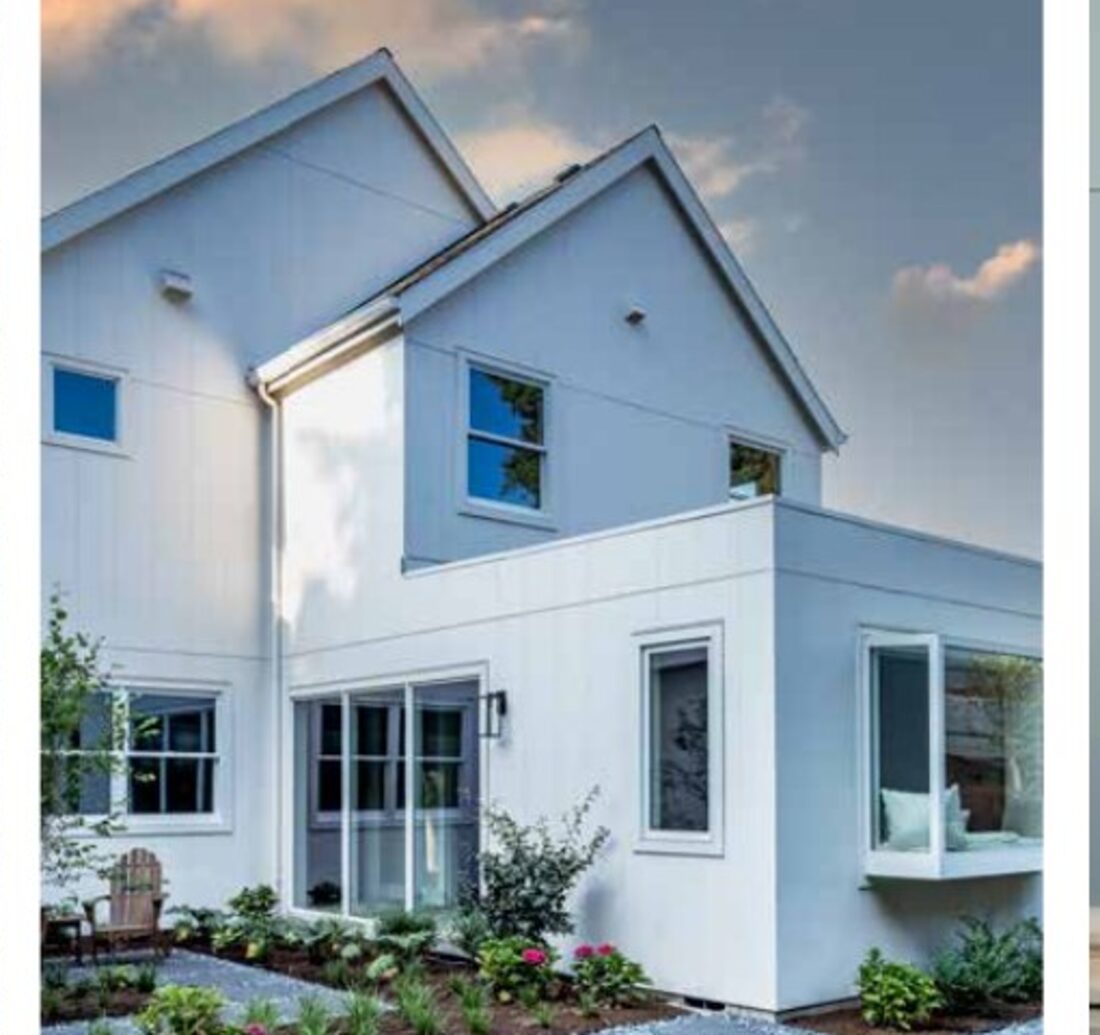
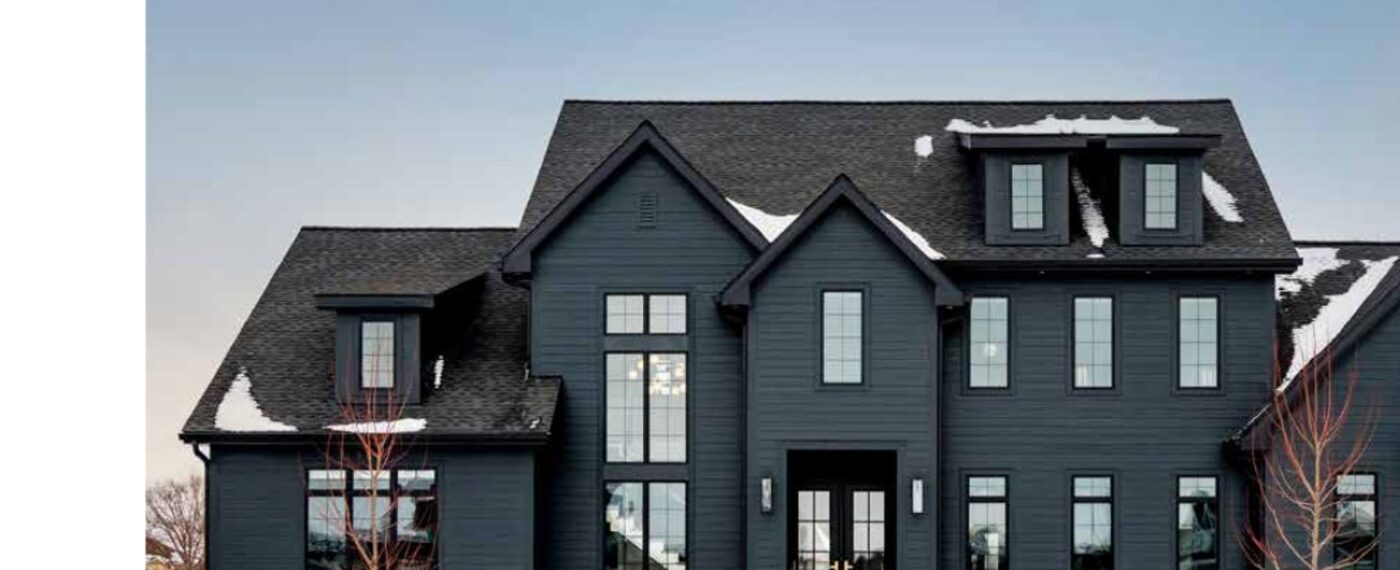
Every James Hardie color shown above is available in ColorPlus® factory finish, with a 15-year color warranty. Photos courtesy of James Hardie Building Products.
What We Do
Siding Services, Honestly Stated
Whether you need a small repair, a full replacement, or new siding on a room addition, here's the work we actually do — and how we approach it.
Types of Siding We Install
Materials We Work With Every Day
The right siding material depends on the house, the budget, and what the homeowner is willing to maintain. We install several types and we're honest about the pros and cons of each. Here's what we use most often in the Sacramento area and why.
Fiber Cement Siding
This is the material we install most frequently, and if someone asks us what holds up best in Sacramento's climate, fiber cement is usually the answer. It doesn't rot, it doesn't burn, it resists insects, and it holds paint significantly longer than wood. Fiber cement siding installation takes more skill than vinyl — the material is heavy, requires specific fasteners, and needs to be handled carefully to avoid cracking — but the results are worth it.
We're a certified installer of James Hardie siding, the most recognized brand in fiber cement. Hardie board siding comes in lap, vertical board, and shingle profiles, and it's available in a ColorPlus factory finish that carries a much longer paint warranty than field-painted material.
For homes with existing fiber cement that has cracked or developed surface issues, we also do fiber cement siding repair — matching the profile and finish as closely as possible so repairs aren't obvious.
Board and Batten Siding
Board and batten siding has become one of the most requested exterior styles over the past several years. The vertical lines make a house look taller and more substantial. It reads as both traditional and contemporary depending on the colors and trim details. A lot of homes being built or remodeled in Sacramento right now use it as either a full exterior treatment or as an accent on specific walls.
Board and batten exterior siding can be done in fiber cement, wood, or engineered wood. Each has different maintenance and cost profiles — we'll walk you through what makes sense for your house. The installation approach varies depending on whether you're going over existing siding or starting from sheathing.
T1-11 Siding
T1-11 siding is a sheet-style product, typically sold in T1-11 4x8 panels with vertical grooves cut into the face to give it a board-and-batten appearance. It's most common on garages, workshops, sheds, and older accessory structures. It installs quickly and is relatively inexpensive.
The main thing to understand about T1-11 is that it's more maintenance-sensitive than fiber cement or vinyl. If it's not kept sealed and painted, it takes on moisture and can degrade faster than expected. We install it on garages and outbuildings where it makes sense — and we always make sure the bottom edge is cut properly, the seams are addressed, and the whole thing is primed before paint goes on.
Vinyl Siding
Vinyl isn't the most exciting material to talk about, but there are real situations where it's the right call. It's the most affordable option, it never needs painting, and it doesn't rot or rust. For rental properties, budget-conscious projects, or situations where low maintenance is the absolute priority, vinyl siding makes sense.
Bad vinyl siding installation shows immediately — improper overlap, visible nail heads, buckling from over-nailing, gaps at j-channel. We don't install vinyl house siding the way some crews do, fast and loose with the details. It deserves the same attention as any other material: nail it loose so it can move, give panels room at openings, miter-lock the j-channel at corners, and take time on the details most crews rush through.
Stucco Cladding
A lot of Sacramento and surrounding-area homes are clad in stucco — particularly newer subdivision builds and Mediterranean-style homes. We do stucco repair and re-stucco work, plus new three-coat stucco installation on additions, garages, and full exterior projects.
Most stucco work we get called out for is stucco crack repair and patching of damaged sections. Hairline cracks are normal and cosmetic. Wider cracks, bulging, or staining usually indicate moisture intrusion behind the finish — and that's where it matters that we open it up properly, check the lath and paper underneath, and address the source before we close it back up. New stucco installs get proper weep screed at the bottom, two layers of grade-D building paper, galvanized lath fastened to spec, and a scratch–brown–finish coat schedule that gives the system time to cure between layers.
What We Actually Do On Site
The Work, Explained Plainly
Here's what different scopes of siding work actually look like from our end. Not marketing language — just what happens.
Full Board and Batten Installations
A full board and batten siding installation means we're working from the sheathing outward. House wrap goes on first, then furring or blocking at regular intervals to create a flat nailing surface, then the boards, then the battens. We pay close attention to the base detail at the bottom of the wall and the top termination at the eaves — these are where most installations fail to look intentional.
A lot of board and batten jobs we've repaired had battens nailed directly through the boards into the sheathing. This restricts wood movement and leads to cracking. Proper installation leaves the boards free to expand and fastens the battens on each side of the seam, not through the face.
Fiber Cement Work
As a James Hardie siding contractor, we follow the manufacturer's installation requirements on every job. That means specific nail schedules, minimum clearances from grade and roofing, proper joint flashing, and caulk from the approved product list. Fiber cement siding installation done outside those specs voids the warranty — something homeowners often don't find out until they need to make a claim.
On repair work, we cut sections cleanly with the right blade, match the existing profile, and prime all cut edges before installation. If we're matching an existing painted finish, we do our best — and we're honest when a perfect match isn't possible.
Stucco Repair & Re-Stucco
For stucco crack repair, we route the crack out, clean it, and patch it with a properly mixed material that matches the surrounding texture as closely as possible. For larger sections, we cut back to sound material, replace any compromised lath or paper, and rebuild the system in proper coats. New stucco gets a real three-coat application — scratch, brown, and finish — with cure time between each layer instead of a one-coat shortcut that cracks within a year.
Custom Trim Work
Exterior trim installation is where the quality of a siding job is really visible. Corner boards need to be plumb and tight. Window trim needs to be caulked at the right points and back-primed before it goes up. Fascia needs to be properly flashed at the top edge so water doesn't run behind it. Custom trim siding work — decorative gable boards, banding, belly bands — requires careful layout and real attention to how it reads from the street.
Waterproofing & Protection
Every siding job we do includes house wrap installation as a standard step, not an add-on. A quality siding moisture barrier is what actually keeps water out of the wall cavity when siding is compromised, at penetrations like windows and outlets, and during the inevitable years before paint is refreshed. We use code-compliant materials and lap everything in the right direction — top overlapping bottom, just like shingles.
We also pay specific attention to penetrations — anywhere a pipe, wire, or light fixture goes through the siding is a potential leak point. These get properly flashed and sealed before the siding goes on around them.
Repair Work Across All Materials
Siding rot repair is probably half of what we get called out for. Usually it's localized — a section near a window, at the base of a wall where water has been pooling, or at a corner where caulk failed years ago. We don't just replace the visible board. We probe the surrounding area, check what's behind the damaged section, and address the source of the moisture before siding board replacement closes everything back up.
We do repairs on all the materials we install — fiber cement, wood, vinyl, T1-11, and stucco. The goal is always for the repair to be as invisible as possible, which usually means sourcing matching material rather than using whatever's on the truck.
Why Homeowners Choose Us
What We're Actually Like to Work With
Most of the work we get comes from referrals. A neighbor sees a job we finished and asks who did it. A homeowner uses us once, moves to a new house, and calls us again. That's not an accident — it's what happens when a crew shows up, communicates clearly, and does what they said they were going to do.
We're not the cheapest siding installation option in the Sacramento area and we don't try to be. We're the crew that shows up on time, keeps you updated, doesn't leave a mess at the end of the day, and actually cares about how the finished job looks. That matters more than it sounds.
We also try to be honest when something is outside what we'd recommend. If the substrate behind your old siding is so compromised that a repair isn't the right call, we'll tell you. If you're asking us to install a material we don't think will hold up well in your specific situation, we'll say so and explain why. You can still make whatever decision you want — it's your house. But you'll make it with accurate information.
"These guys came out, looked at what we had, and told us straight that the back of the house had more rot behind the siding than we'd budgeted for. They could have just replaced what was visible and moved on. Instead they showed us what they found and we figured out the right fix together. Whole job took a week. Everything looks great."— Past client, Fair Oaks, CA · Full board and batten installation
Siding Contractor Near You
Sacramento and the Surrounding Region
We're based in the Sacramento area and install siding for homes throughout the region. When people search for a siding contractor near me in Sacramento and land on our page, there's a good chance we've already done work in their neighborhood or a few streets over.
We work regularly in midtown and East Sacramento, Land Park, the Elk Grove and Natomas corridors, and the foothill communities east of the city. Fair Oaks, Folsom, Granite Bay, Roseville, and Rocklin are all areas where we've completed projects in the past year. El Dorado Hills is a regular part of our work area as well.
Knowing the local housing stock matters. An older Land Park craftsman calls for different siding choices than a newer Elk Grove build or a Granite Bay estate. We adjust our recommendation to fit the house, every time.
We travel throughout the greater Sacramento region for siding consultations and installations. If you're within about an hour of downtown Sacramento, there's a strong chance we can help. Give us a call and we'll confirm in two minutes.
Call (916) 404-4780Frequently Asked Questions
Questions We Get All the Time
Real answers, not boilerplate.
When homeowners ask about the types of siding for houses in this area, we almost always come back to fiber cement as the strongest overall choice. It handles Sacramento's heat and UV exposure well, resists the fire risk that's real in this region, doesn't rot, and holds paint longer than wood. James Hardie is the most common brand we install and it has a solid track record.
Board and batten in fiber cement is increasingly common and looks great on a lot of homes. Stucco is the dominant exterior on newer subdivisions and works well when installed and maintained properly. Vinyl is a reasonable choice for rental properties and tight budgets. T1-11 makes sense on garages and outbuildings where cost and speed are the priorities, as long as you're prepared to keep up with painting and sealing.
The honest answer is that the best siding for your house depends on your budget, your maintenance tolerance, and the style of the home. We'll give you our recommendation based on all three when we come out.
The siding installation cost depends on the material, the square footage, the condition of what's behind the existing siding, and how much trim and detail work is involved. Vinyl is the most affordable. Fiber cement runs higher but lasts considerably longer. Stucco and specialty materials cost more still.
What we can tell you is that we give you a written, itemized quote before we start. Material costs and labor are listed separately, so you can see exactly where the money goes. If the substrate turns out to be in worse shape than expected once we open things up, we'll tell you before we proceed, not after.
Yes. We handle stucco repair, re-stucco work, and new three-coat stucco installation alongside the rest of our siding services. A lot of Sacramento homes — especially newer subdivisions and Mediterranean-style builds — are clad in stucco, and we get called out regularly for crack repair, patching of damaged sections, and full re-stucco where the existing finish has failed.
For new stucco we install proper weep screed, two layers of grade-D paper, galvanized lath, and a real scratch–brown–finish coat schedule with cure time between layers.
People ask us about how to install T1-11 siding and whether it's something they could take on themselves. The material itself isn't complicated — it's large panels and the fastening schedule is straightforward. But the things that cause problems are the details: proper sealing of all edges including cuts, correct bottom clearance from grade, getting the panels truly plumb, and making sure every seam is addressed so water can't track behind.
On a small shed or workshop, a careful DIYer can do it. On a house — or any structure where you care about the result lasting — we'd recommend having it done professionally.
The basics of vinyl siding installation are: a starter strip at the bottom, each course locking into the one below, and j-channel around windows and at corners to terminate the panels cleanly.
The part that separates a quality job from a poor one is the fastening and fitting. Vinyl expands and contracts significantly with temperature changes. If it's nailed too tight, it buckles. If panels aren't cut to allow for movement at openings, you get gaps. And if the j-channel isn't cut and miter-locked properly at corners, it looks amateur. We nail it loose, give it room to move, and take time on the details that most crews rush.
Request an Estimate
Ready to Talk About Your Siding?
We come out, look at what you have, and give you a straight answer about what we'd recommend and what it would cost. No pressure, no commitment required from the conversation.
Most homeowners find the in-person visit more useful than anything they read online.
Or call us directly — we pick up: (916) 404-4780